Modernizing Utility Operations with Connected Field Service
 Dynamics 365 Field Service
 Power BI
 Power Automate
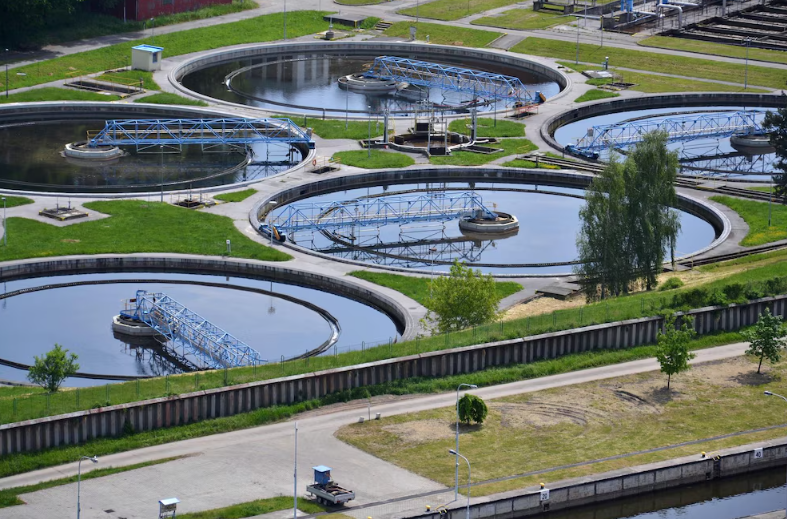
A regional utility provider responsible for water supply and wastewater management across multiple municipalities modernized its operations to meet growing customer and regulatory demands while addressing aging infrastructure challenges.
Situation
A regional utility provider responsible for water supply and wastewater management across multiple municipalities faced growing pressure to modernize its operations amid aging infrastructure, manual processes, and increasing customer and regulatory demands.
Disconnected systems made it difficult to coordinate field resources, monitor asset performance, and respond swiftly to maintenance needs. Field service teams were often operating with limited access to real-time data, relying on manual work order assignments, paper-based reporting, and phone-based coordination. This created service inefficiencies, extended resolution times, and limited transparency across the organization.
To ensure reliable service delivery, meet regulatory standards, and enhance customer experience, the utility required a solution that would centralize operations, improve technician productivity, and enable a proactive maintenance model.
Challenges
Reactive Service Operations
Maintenance was often initiated after failures occurred, leading to higher operational costs and avoidable service disruptions.
Manual Coordination
Field teams lacked real-time scheduling tools, resulting in frequent delays, duplication of effort, and inefficient technician routing.
Limited Asset Monitoring
The organization had minimal insight into the condition and performance of key assets, impacting planning and preventive maintenance efforts.
Compliance and Reporting Gaps
Manual documentation processes made it difficult to ensure accurate, timely compliance reporting and internal audits.
Solution
The utility deployed Dynamics 365 Field Service, enhanced with Power BI and Power Automate, to modernize and automate end-to-end service operations.
Dynamics 365 Field Service
Enabled intelligent scheduling, real-time work order tracking, and mobile access for field teams, improving coordination and consistency across locations.
Power BI
Provided dashboards with actionable insights into asset conditions, work order trends, and technician performance—empowering leaders to make data-informed decisions.
Power Automate
Automated key workflows including service routing, maintenance scheduling, and compliance reporting, significantly reducing manual overhead and response time.
Benefits/Impacts
Streamlined Field Operations
Digitized service processes reduced scheduling bottlenecks and improved on-site execution through mobile access to real-time information.
Transition to Preventive Maintenance
Asset data and service history enabled the shift from reactive to scheduled maintenance, improving asset reliability and reducing unplanned outages.
Improved Team Efficiency
Technicians can complete more work orders per shift, with clear access to asset documentation and service history, reducing need for repeat visits.
Enhanced Visibility and Compliance
Leadership gained end-to-end visibility across service delivery and compliance metrics, simplifying audits and ensuring regulatory alignment.
Elevated Customer Service
Faster response times and more predictable service windows contributed to increased customer satisfaction and reduced complaint volumes.
Outcomes (KPIs)
Reduced Average Time to Resolution
The automation of work orders and improved technician routing contributed to faster issue resolution across the network.
Increase in First-Time Fix Rates
Field technicians now arrive with the right tools, information, and parts, leading to more issues resolved on the first visit.
Higher Work Order Completion Rates
Optimized schedules and mobile capabilities helped field teams increase their daily job completions while maintaining quality standards.
Faster Regulatory Reporting Cycles
Digitized data collection and automated workflows shortened the time required for generating reports for internal and external stakeholders.
Improved Asset Uptime
Predictive maintenance capabilities enabled earlier interventions, contributing to a more resilient utility infrastructure.
Transform your business and unlock its full potential with us.